We simplify complex operations and build the systems behind them.
ZLDA helps growing organizations replace fragmented workflows, disconnected tools, and spreadsheet-dependent processes with governed systems designed around how the operation actually runs.
Founder-led from discovery through implementation.


From operational ambiguity to a working system.
Four stages. We start with how work actually moves, not with a technology decision.
Assess
Understand how the operation actually works. We uncover the real workflows, exceptions, handoffs, systems, and control gaps behind the documented process.
Deliverables: stakeholder interviews, current-state workflow maps, systems and spreadsheet inventory, data-flow analysis, bottleneck and control-gap assessment.
Design
Define how the operation should run before choosing technology. We translate the findings into a clear future state, including responsibilities, business rules, data structures, and controls.
Deliverables: future-state workflows, roles and decision rights, business rules, data architecture, governance controls, implementation roadmap.
Implement
Turn the design into a working system. We configure, integrate, automate, or build the tools required to support the new operating model.
Deliverables: workflow platforms, internal portals, dashboards, integrations, automation, governed AI features. Custom software only where packaged tools do not fit.
Scale
Make adoption measurable and extend what works. We support rollout, train users, refine the workflow, and expand the system as the operation grows.
Deliverables: implementation support, user training, adoption measurement, workflow refinement, governance reviews, expansion into adjacent teams.
Operational thinking, hands-on delivery.
Operation-first
We learn how the work actually happens before deciding what should change or what should be built.
Strategy through implementation
The same team leads discovery, designs the solution, and implements it, so the operating model does not get lost between advisers and builders.
Practitioners, not intermediaries
We have worked inside real operations and understand deadlines, handoffs, exceptions, limited capacity, and the difference between a good recommendation and one people can actually use.
Systems built around real operational problems.
A selection of client systems designed to replace fragmented workflows, manual handoffs, and disconnected tools.
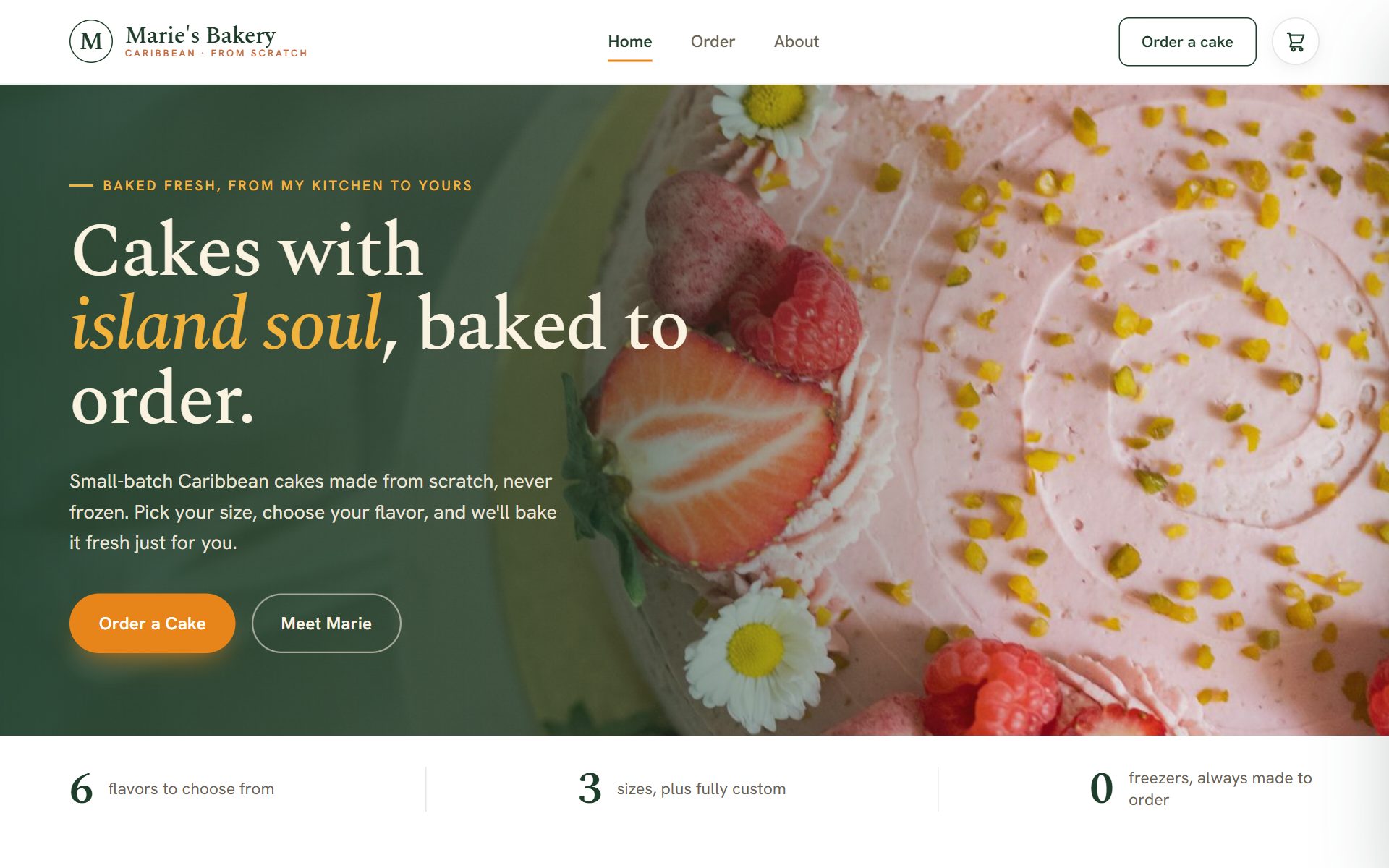
Marie's Caribbean Bakery
Replaced a fully manual ordering process with one workflow for web, phone, and walk-in orders.
- Capacity rules, cutoff dates, and pickup windows enforced automatically
- One queue from initial request through fulfillment
- Central dashboard for order status and production planning
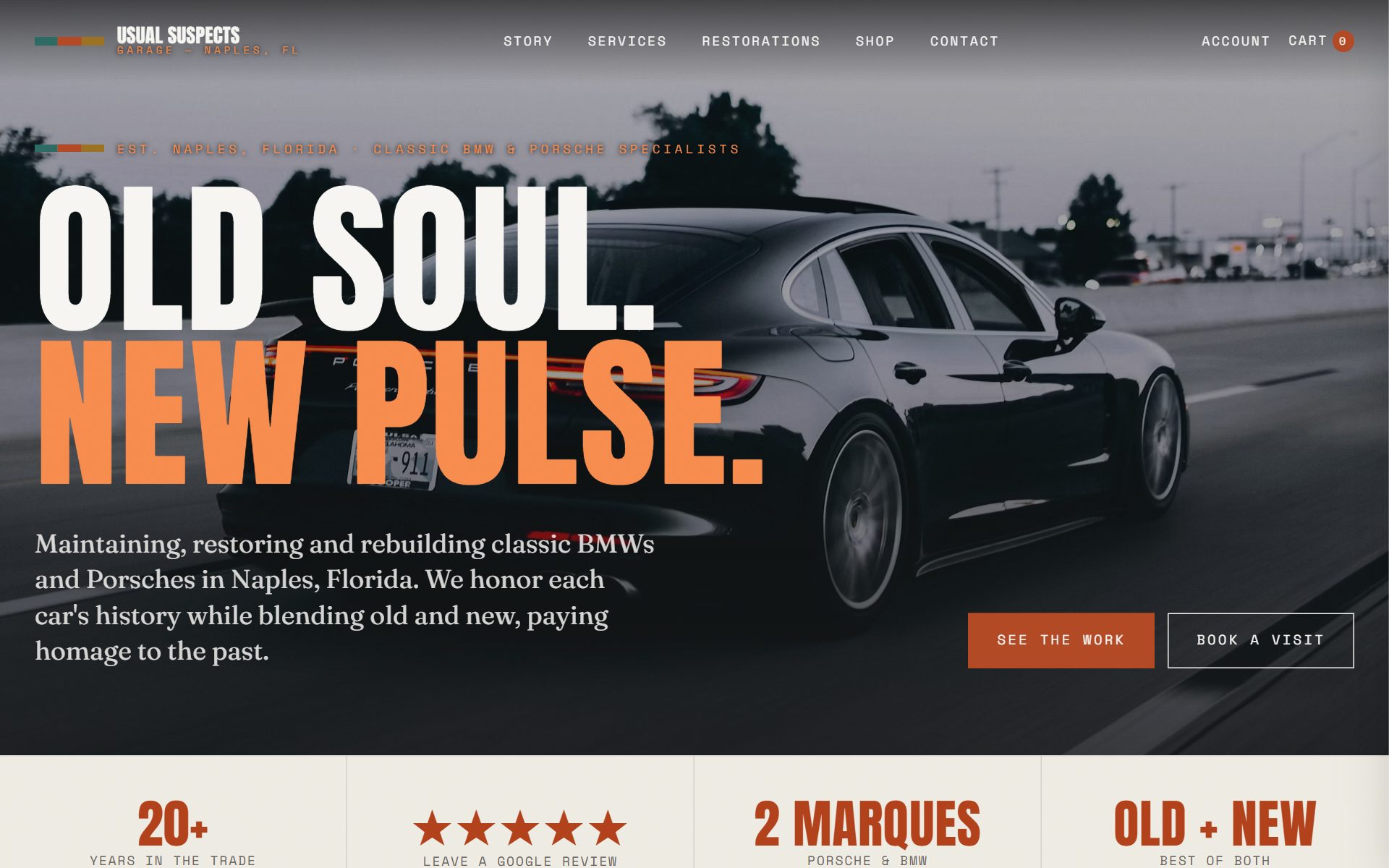
The Usual Suspects Garage
Built the first phase of a broader operating system for customer accounts, commerce, fulfillment, and product development.
- Product variants, inventory, payments, refunds, and order history
- Threaded customer communication tied to each account
- Internal workspace for development of the company's digital instrument cluster
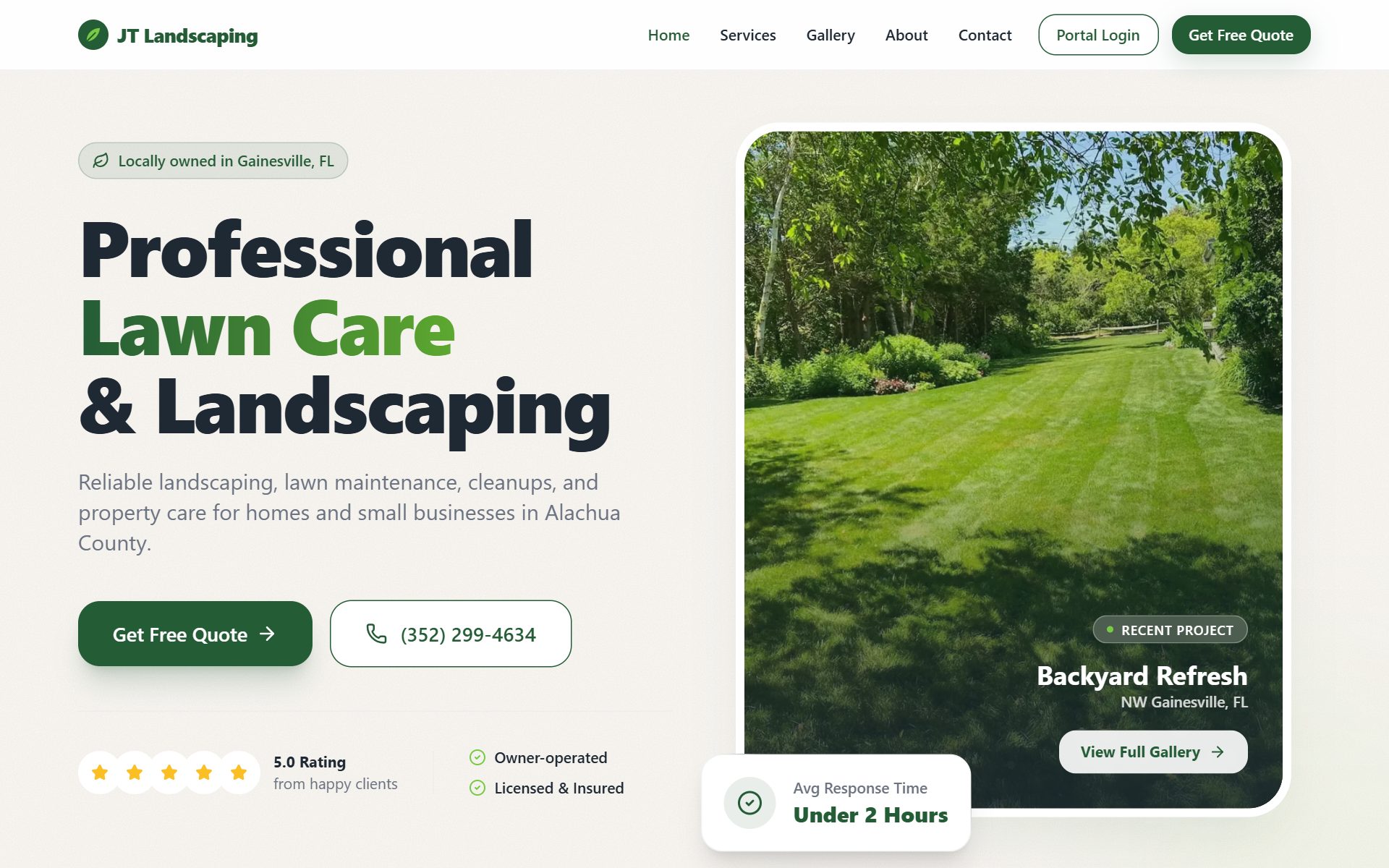
JT Landscaping
Connected lead capture, customer requests, project photos, and follow-up into one shared system.
- Every inquiry enters a structured owner queue
- Status, notes, and follow-up history remain attached to each lead
- Customers can request services and upload project photos through the portal
Clear answers about how ZLDA works.
What does ZLDA Group do?
Is ZLDA a software-development company?
Is ZLDA Group an AI agency?
Who does ZLDA work with?
When is custom software appropriate?
How does an engagement begin?
Does ZLDA only provide recommendations?
Start with the operation that is hardest to manage.
Tell us where work is slowing down, becoming difficult to control, or depending too heavily on spreadsheets, disconnected tools, or institutional knowledge. We will help determine whether the answer is process redesign, systems implementation, automation, AI, or a combination.